

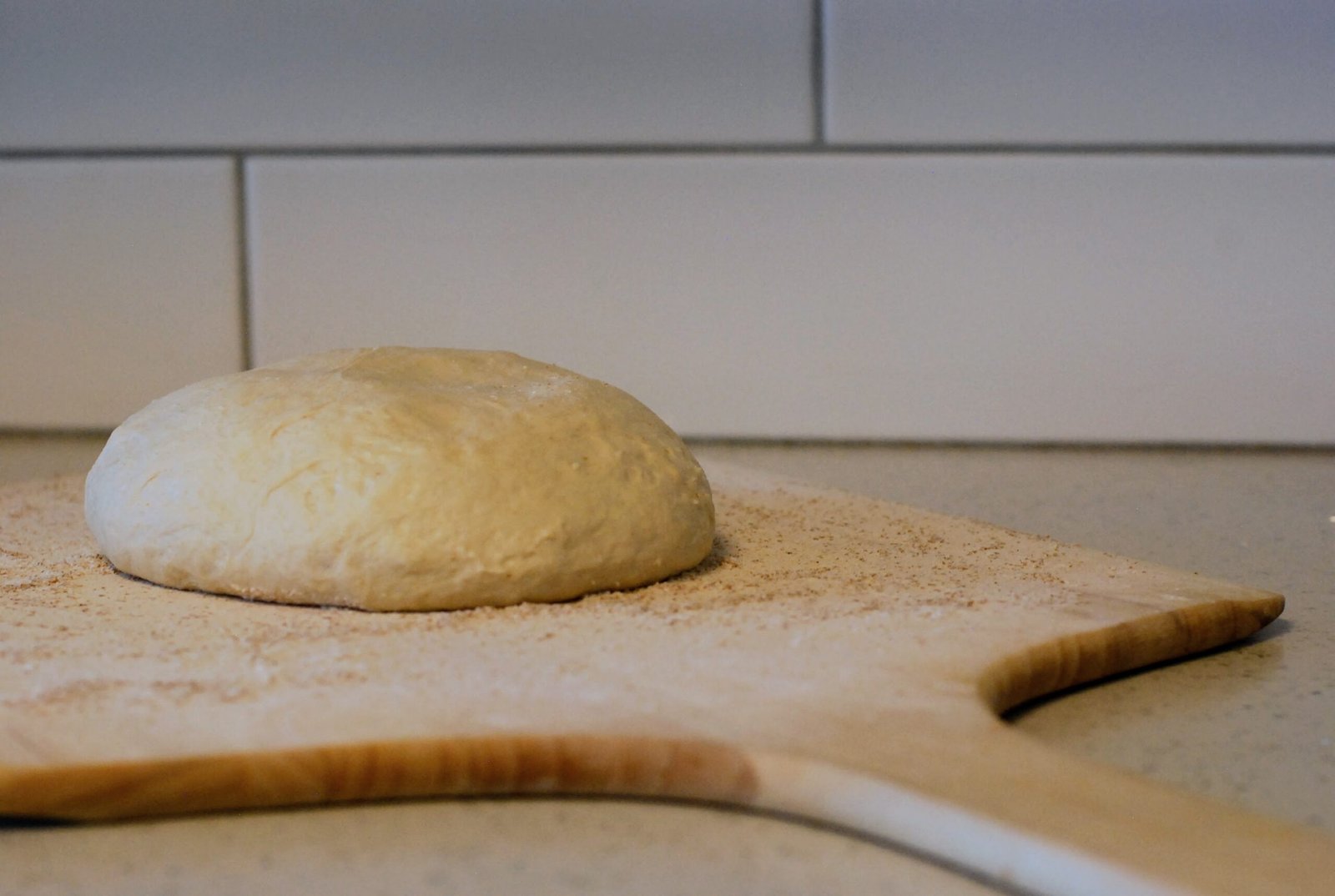
I know a lot of people struggle with making bread. It doesn’t help that plenty of people nowadays insist that baking is a science and should be done with exact measurements and weights. While that may be true for some more complex confections, making bread is a very flexible, measurement-loose process. In other words, if you can bake a decent batch of cookies or a casserole, you can probably make bread. As I see more and more people pointing out, people have been making bread for millennia, often without the use of measuring tools of any kind. With all that said, there are certainly things you can do to make breadmaking easier. So here are some of my tips and tricks that you can use to simplify, improve, or adjust any bread recipe to suit your needs.
1. Rising Times
While rising time is technically resting time, since we are all about working under time constraints here, I will let you know that you can make any dough you want in advance and let it rise in the fridge for about two days before you actually use it. So you could make a bunch of bread dough and bake multiple batches over two days, you could make a dough in the morning and bake it when you get home, or you can make it before bed and bake it in the morning (as I recommend doing for cinnamon rolls). When you need to adjust the rising time, the fridge is your best friend. The only caveat is that you need to take the dough out and let it rest for 1 hour on the counter before you can continue the recipe, so that the yeast can get back to room temperature.
What about when the dough isn’t rising fast enough? I would typically recommend budgeting 30 minutes to 1 hour for most rising times. If your dough is taking longer than that, your house may be too cold. Try to find a warm place to put your dough, or put it in the fridge and come back when you have time. If you don’t have that kind of time to wait, you can always make a warm place by putting hot water in a pan at the bottom of your oven and putting the bread in there; however, that does mean you won’t be able to preheat.
2. Water to Flour Ratios
In most breadmaking, having a wetter dough makes a more desirable loaf that is less dense and more bubbly. However, for a starting breadmaker, managing a wet dough can be really difficult. Since the flour-water ratio you need for a recipe changes by altitude and by daily humidity, this part really isn’t an exact science at all. My recommendation is to be patient while mixing and to try to make the dough as wet as you can while still being able to handle it with your hands. Making sure all the flour is incorporated before you add more ensures that you don’t add too much and end up with a dry dough. From there, you can add more flour as needed so that you can comfortably work with your dough to shape, spread, roll, or do whatever else the recipe indicates with it. The nice thing about leaving your dough as wet as possible is that you do not need to worry about it drying out when you sprinkle on more flour later.
3. Caring for Yeast
What is proofing? Why do we do it? Depending on how you store your yeast, the little guys might have died out between uses. Many recipes recommend proofing for that reason. Proofing is a step many recipes use early on to check that the yeast is active before making the rest of the dough. However, there is not much need for proofing nowadays with instant dry yeast. To ensure that you never have to worry about dead yeast, I recommend keeping it (even dry active yeast) in the fridge or freezer. You can skip the proofing in most recipes since the yeast will dissolve and bubble during mixing and the first rise, as long as you have taken good care of the yeast you intend to use. Just try to make sure that any liquids added to your dough are warm and no more than 110 degrees Fahrenheit. Any hotter and you will burn your yeast.
4. Less Stress!
A lot of breadmaking is really about what works for you. Unlike other forms of baking, there is no overmixing here, so if you’re not sure about texture, wetness, or shape, just keep working your dough until you feel comfortable! More or less water, proofing or no proofing, rising times, it’s all according to what you need that day. So move forward with confidence, enjoy the process, and have fun playing with dough!









Leave a Reply